Explore Local Skate Parks for SB Dunks
Intro
Skateboarding, more than a sport, embodies a thriving community driven by passion and creativity. It transcends mere tricks and stunts; it's about the culture that grows in shared spaces. For those dedicated to mastering the SB dunk, understanding your local skateboarding facilities is critical. Locations matter—whether you're a novice or a seasoned skater, the right environment can greatly influence your development.
In this guide, we aim to help you uncover the best spots for perfecting your dunking technique. We will explore various factors to consider while searching for skateboarding facilities, delve into community aspects of skate culture, and provide a well-curated list of top-rated skate spots. The focus is on enhancing skills and fostering connections with fellow enthusiasts, as skateboarding thrives on collaboration and shared experiences.
Skills Development
Trick Mastery Techniques
Mastering tricks such as SB dunks involves a meticulous approach to practice and skill refinement. The dynamics of this trick require skaters to work on foot placement, timing, and board control. Each component plays a vital role in achieving that clean and stylish dunk. Consider these techniques:
- Foot Placement: Position your front foot slightly behind the bolts for better control during a flick.
- Timing the Hop: Coordination between your jump and board flick is crucial; practice to find your rhythm.
- Spotting the Landing: As you soar, keep your eyes fixed on where you plan to land. This mental cue helps in landing with precision.
Building these fundamental skills often begins at local skate parks where you can find ramps and rails designed to assist in mastering tricks safely. Repetitive practice in a supportive environment fosters confidence and progress.
Overcoming Common Challenges
Skating isn't without its challenges. While it can be a blast, many skaters find themselves battling obstacles, whether physical or mental. Here are some typical hurdles and suggestions on overcoming them:
- Fear of Falling: Building a comfort level with falling can help. Start on less intimidating ramps and practice controlled falls to desensitize fear.
- Inconsistent Performance: This happens to various skaters. To combat this, establish a consistent practice routine that includes warm-ups and varied trick drills.
- Peer Pressure: Skate parks are social spaces, and sometimes the pressure of performing in front of others can be daunting. Focusing on personal goals while respecting others' skills will create a healthier mindset.
Engaging with your local skateboarding community can significantly aid in addressing these challenges.
Community Engagement
Skate Park Spotlights
Communities often form around skateboarding spaces, and these parks play pivotal roles in connecting skaters. Here are a few noteworthy skate parks to check out:
- Venice Beach Skate Park: An iconic spot known for its lively atmosphere and challenging features.
- The Cove at Shepherd’s Bush: A hidden gem with ramps catering to all skill levels, making it a great training ground.
- Burnside Skatepark in Portland: A legendary location with a unique history that has been self-built and maintained by the local skaters.
Each of these parks offers unique features, fostering environments conducive to skill development and community interaction.
Events and Competitions Coverage
Participating in local skater events not just opens doors to improve skills but also nurtures camaraderie among participants. Staying informed about upcoming competitions or gatherings can enhance your skating journey. Look for flyers at local shops or join dedicated groups on platforms like Facebook or Reddit.
Check out local skateboarding websites or stores to find listings of events in your area. Often, connections made at these gatherings lead to lifelong friendships and mentorship opportunities.
Engagement in skate culture not only lifts your skills but also anchors you into a community that thrives on positivity and inclusivity.
By leveraging the insights presented here, you’ll be well-prepared to discover, engage with, and flourish in your local skateboarding scene. Whether you are lifting off for the first time or perfecting that dunk, the right facilities and community can make all the difference.
Understanding SB Dunks
When it comes to skateboarding, the term SB Dunk often flits across conversations, signifying more than just a shoe. In this realm, SB Dunks represent an essential element of both style and performance, a bridge between creativity and athleticism. For those stepping into the sport or seeking to polish their dunk techniques, understanding what these shoes are all about and their impact on skate culture is crucial. The right gear can elevate not only your tricks but also your comfort and confidence while riding.
Definition of SB Dunks
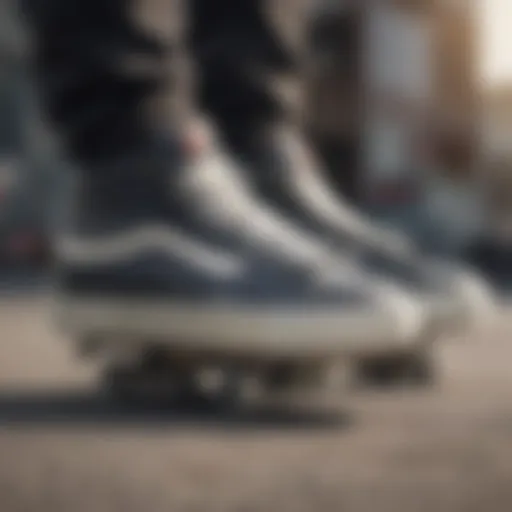
At their core, SB Dunks are skateboarding shoes designed by Nike, specifically crafted to cater to the unique needs of skateboarders. The different variations, from high tops to low tops, cater to diverse preferences. Typically, these shoes feature reinforced collars, cushioned soles, and durable materials designed to withstand the wear and tear of the skateboarding lifestyle. The SB Dunk line has evolved, incorporating innovative technologies to enhance grip and support.
It's not just about the shoe's functionality, though. The aesthetic appeal of SB Dunks is integral to their definition; they come in a myriad of colors and collaborations that reflect the evolving skate culture. Collectors and enthusiasts often seek specific releases that showcase artistic influences or limited-edition designs, turning a simple piece of footwear into a cultural artifact.
Significance in Skateboarding Culture
SB Dunks are not just shoes; they represent a lifestyle. The significance they hold in skateboarding culture can be likened to how a chef values their knife – it’s a tool of the trade as much as it is a statement of identity. Many skaters gravitate towards SB Dunks not only for their functional attributes but also for their brand's rich history rooted in skateboarding and street culture.
In the broader context, wearing SB Dunks can invoke a sense of belonging among skaters. When riders sport these shoes at a local park, it symbolizes connection – the unifying factor when dropping in with fellow skaters who appreciate the shoe's legacy. The shoes often act as conversation starters, allowing skaters to share stories about different releases or memorable sessions.
Furthermore, SB Dunks have transcended skateboard parks to influence mainstream fashion as well. Streetwear enthusiasts love to incorporate elements of skate culture into their wardrobes, often sporting SB Dunks as a prime accessory while pairing them with oversized tees or distressed jeans. This intersection of style and sport bolsters the perception of skateboarding as not merely a pastime but as a comprehensive lifestyle.
Ultimately, understanding SB Dunks allows newcomers and veterans alike to appreciate their value – not just in tricks performed and jumps cleared, but in the culture and community fostered around these iconic shoes. Each pair has a story, just like every skater shuffling through the local park.
"The shoes are more than a statement; they embody the journey of every skater."
By digging deeper into the meaning of SB Dunks, skaters not only gear up for success on their boards but also embrace a culture rich in history and camaraderie.
The Quest for Skate Spots
Finding the right skate spots is more than just a geographical hunt; it’s akin to seeking hidden gems that hold the potential to elevate a skateboarder’s skills and creativity. The quest to identify local skateboarding facilities capable of accommodating SB Dunks offers numerous benefits, providing places for practice, social interaction, and community growth. This part of the article delves into the importance of identifying nearby skate parks and what contributes to an ideal skating environment.
Defining 'Near Me' in the Skateboarding Context
When skaters talk about "near me," it transcends mere distances. For many, it means accessibility to facilities that resonate with their level of skill, comfort, and the kind of ambiance they seek. Factors influencing this definition include:
- Distance from Home: Generally, a skate spot within a few miles is ideal, but it often depends on personal schedules and transport modes.
- Local Culture: A park that mirrors the experiences and styles of the skaters in the area carries more significance. A skater new to the game will seek different spots than a seasoned pro.
- Skill Levels: Some parks cater exclusively to beginners or offer structures that challenge intermediate to advanced skaters. It’s wise to know where you fit in before heading out.
- Social Connections: Finding communities of fellow skaters can make a world of difference. Locals can provide insights on the best times to visit and share tricks with one another.
This understanding allows skateboarders to refine their search criteria to find locations that not only match their geographic needs but also foster a sense of belonging and growth in skateboarding skill.
Typical Features of Ideal Skate Parks
Finding a good skate park is like finding a goldmine, but what exactly makes a skate spot stand out? Here are characteristics that define ideal skate parks:
- Variety of Obstacles: Good parks have a mix of ramps, rails, and surfaces that allow for all kinds of tricks, catering to different skill levels.
- Surface Quality: The surface should be smooth and well-maintained, ensuring faster rides and fewer surprises.
- Lighting: For those night owls, decent lighting is critical for evening skates. Parks with good illumination make for safer skating experiences after sunset.
- Spaces for Observation: Areas where spectators can watch or give tips while enjoying the action can contribute not only to community but also to motivation.
- Safety Features: Facilities that incorporate safety rails or padding around obstacles provide a cushion for falls, indicating that the designers care about the skaters’ well-being.
"A good skatepark isn’t just a group of ramps; it’s a stage for creativity and community."
As each of these features is explored, it’s clear how vital they are for fostering a vibrant community and creating a productive space for skater growth. Making informed choices about where to practice SB Dunks can build not only skills but also friendships and connections in the local skateboarding scene.
Researching Local Skate Parks
Researching local skate parks is not just about knowing where to roll your board; it’s about carving out a space that caters to your specific needs as a skater. With the right research, you can ensure that you’re practicing on quality terrain that aligns with your skill level and goals. Moreover, in the quest for perfecting your SB dunks, the environment plays a crucial role. You’ll want a park that offers the right features, safety measures, and community connection.
Online Platforms for Locating Facilities
In today’s digital age, online platforms serve as treasure troves for skaters. Websites like Skatepark.org and forums on Reddit are invaluable for discovering skate spots. These platforms often feature user-generated content that includes photos, reviews, and even updates on park conditions. Here’s how to make best use of them:
- Search filters: Use specific keywords related to your local area; for example, type in your city along with “skate park.”
- Check recent updates: Parks can change quickly. Look for recent reviews or posts that speak to current conditions.
- Maps and distances: Utilize map services to gauge how far each location is from you and plan your visit accordingly.
Utilizing Social Media for Recommendations
Social media platforms can be a gold mine for skaters looking to connect with local trends. Sites like Instagram or Facebook can guide you to skate parks near you while helping to visualize potential spots. Follow local skate shops, brands, and skater profiles for authentic recommendations and content. Key elements include:
- Hashtags: Using relevant hashtags like #skateparks or #skateboarding can help you uncover lesser-known spots.
- Community groups: Join Facebook groups dedicated to skateboarding in your area—these are often filled with local insight and advice.
- Direct interactions: Don’t hesitate to slide into DMs or comment on posts asking for specific recommendations; the skate community is generally welcoming and keen to help.
Skateboarding Communities and Forums
Nothing beats connecting with people who share your passion. Local skateboarding communities and forums create opportunities for valuable information exchange. Beyond simply finding parks, these spaces foster companionship and camaraderie. Here’s how to tap into these communities:
- Meetup events: Often, skate shops organize events which can be a great way to meet others and learn about the most popular skate parks in the area.
- Dedicated online forums: Websites like SkatePerception often have threads about the best places to skate. Join the conversation and share your experiences to get insights from fellow skaters.
- Local skate shops: Don’t underestimate the knowledge of local shop employees; they usually know the ins and outs of the skate scene, including which parks are the safest and most fun.
Final Thought: The more you engage in these platforms, the better informed you'll be about where to hone your skills and find the right vibe for practicing your SB dunks.
Key Considerations When Choosing a Skate Park
Choosing the right skate park can be a critical part of enhancing your dunking and overall skateboarding experience. Factors like accessibility, facilities, and safety protocols play a vital role in your decision-making process. The right park can not only boost your skills but also deepen your connection with the skateboarding community. Here's an exploration of the primary considerations when scouting for the perfect spot.
Accessibility and Location
When it comes to finding a skate park, the phrase "location, location, location" rings true. Convenience is crucial. A park that's easily accessible can encourage more frequent visits. Think of things like public transportation options, parking spaces, and proximity to your home or school. If a park is difficult to reach, there's a good chance that it’ll be less appealing.
Moreover, consider the surrounding area. Is it situated in a safe neighborhood? Are there cafes or shops nearby where you can unwind after a long session? This adds a social element to your skateboarding engagements, making your outings more fruitful and enjoyable.


Facility Features and Equipment
Not all skate parks are created equal. They come with a variety of features tailored to different skill levels. Some parks offer advanced equipment like half-pipes, rails, and bowls, while others might cater to beginners with smoother surfaces and gentle ramps. Familiarize yourself with the layout—some skaters thrive in parks that mimic street skating, while others may prefer smooth, polished surfaces for practicing tricks.
Key facility features to look for:
- Variety of Obstacles: Ensure there’s a mix of ramps, rails, and flat surfaces to keep your practice engaging.
- Quality of Traction: A slippery surface can be a safety hazard. Look for parks that maintain their surfaces well.
- Amenities: Rest areas, water stations, and restrooms may enhance your overall experience.
You'd be surprised how these little things can make a big difference during long skate sessions.
Safety and Supervision Measures
Safety should never take a back seat when skateboarding. Evaluate the park's supervision measures. Some parks have staff or volunteers on-site to manage sessions and help newcomers. This provides an added layer of security, particularly for younger or less experienced skaters.
Further, check whether there are first aid stations or emergency protocols in place. Good parks often display rules and guidelines focused on safety, which speaks volumes about their commitment to creating a secure environment.
"A park's commitment to safety can significantly enhance your overall experience; it's the difference between pushing your limits and worrying about injuries!"
In summary, a top-notch skate park is based on a solid balance between accessibility, features, and safety. Paying attention to these elements can lead to a more rewarding skating experience, improving not just your dunking skills but the joy of being part of a vibrant community. Always remember—the right environment fosters growth.
Reviewing Top Skateboarding Locations
When it comes to the world of skateboarding, the environment in which you practice can make a significant difference. This section will delve into some of the most critical elements that define ideal skateboard locations, particularly with a focus on SB dunk facilities. Knowing where to skate isn’t just about proximity; it’s equally about the features of the location, the community vibe, and the opportunities to learn and develop skills. This guide serves skateboarders at all levels, from novices to seasoned pros, and highlights what to look for when choosing a place to practice your craft.
Local Skate Parks with SB Dunk Facilities
Local skate parks are often the heartbeat of skateboarding culture in a community. They’re spaces where skaters come together to practice tricks, socialize, and share tips. When you're hunting for parks that specifically accommodate SB dunking, keep your eyes peeled for areas featuring ample vertical ramps and sturdy ledges.
Here are a few key factors to consider:
- Variety of Obstacles: Look for parks that offer a range of obstacles suitable for all skill levels, including gaps, rails, and transition ramps.
- Dedicated Dunk Areas: Parks designed with SB dunking in mind will often have specific zones or features to facilitate this trick, thereby enhancing training opportunities.
- Community Engagement: Skate parks are typically hubs for meeting other skaters. A good park will also host events or contests, fostering interaction and competition among its users.
Commercial Venues and Indoor Skate Parks
Sometimes the weather or local regulations can limit skating outdoors. This is where commercial venues come into play. They offer indoor environments well-suited for practicing SB dunks without the distractions of the outside world.
Here’s what to look for in these settings:
- Controlled Environment: Indoor parks provide stable equipment and surface conditions year-round, allowing for uninterrupted practice.
- Professional Instruction: Many commercial parks offer classes or coaching sessions led by experienced skateboarders. Learning directly from experts can significantly improve your technique.
- Safe and Secure: Commercial venues usually maintain safety measures, ensuring users can skate without worrying about external hazards.
Unique Outdoor Spots for SB Dunks
If you prefer the thrill of skating in natural settings, many unique outdoor locations provide ideal conditions for SB dunking. These places, though not traditional skate parks, can be great alternatives.
Consider the following characteristics:
- Natural Terrain Variations: Urban landscapes often contain elements like stairs, curbs, and ledges that can be creatively utilized for SB dunks. Think outside the box and scout your local neighborhoods.
- Scene and Ambiance: Outdoor spots tend to foster a specific vibe that many skaters enjoy. The freedom of skating outside can inspire creativity and spontaneity.
- Accessibility: Ensure that the locations are safe and convenient enough to grow your skills without unnecessary barriers, whether it’s about transportation or safety concerns.
Remember, finding a good spot isn't solely about popularity—it's about discovering a space where you can feel comfortable and challenge yourself.
In summary, whether opting for local skate parks, commercial indoor venues, or unique outdoor spots, each location offers its own set of benefits and considerations. Engage with your surroundings, connect with other skaters, and above all, enjoy the journey as you hone your SB dunking skills. With the right environment, you can cultivate not just your skating prowess but also a sense of belonging to the skate community.
Building a Community Around Skateboarding
Skateboarding is not just a sport; it's a lifestyle that thrives on community. When you step into the world of skatin’, the bonds formed are as vital as the tricks themselves. Building a solid community around skateboarding opens doors to shared experiences, support, and knowledge. This sense of belonging enhances the overall skateboarding experience, providing an environment where enthusiasm and skills can flourish. Whether you're a novice or a seasoned pro, tapping into your local skate community is invaluable.
The Role of Local Skate Shops
Local skate shops are the backbone of any vibrant skateboarding community. They serve not only as retail spaces but also as social hubs. Here’s how they shine:
- Expert Guidance: Knowledgeable staff can assist you in finding the right gear for your SB dunks, tailored to your skill level.
- Events and Workshops: Many local shops organize workshops or competitions which encourage skaters to hone their skills and meet others.
- Networking Opportunities: You can learn about nearby skate parks and events, making it easier to connect with fellow skaters.


Local skate shops create an atmosphere where everyone is welcome. You might run into a future skating buddy or get insights from experienced skateboarders who frequent the shop.
Organizing Meetup Events
Hosting meetups is an effective way to put the community spirit into action. Organizing skating events varies from casual gatherings to structured competitions. Here are a few considerations for planning:
- Choose the Right Venue: Whether it's at a local park or a skate shop, pick a place that is accessible and inviting.
- Set Clear Objectives: Are you aiming for skill building, showcasing tricks, or just a laid-back session? Having a goal can guide the event's structure.
- Promote on Social Media: Use platforms like Facebook or Instagram to spread the word. Creating events online often attracts a larger crowd.
Meetups foster camaraderie, allowing skaters to learn from each other while enjoying the thrill of skating together. The shared energy at these events can inspire everyone involved.
Connecting with Other Skaters
It’s often said that skating can feel lonely; however, actively connecting with others changes that perspective. There are various ways to build those connections:
- Join Online Forums: Websites such as Reddit or dedicated skateboarding forums can be excellent resources. You can share tips, ask questions, or even set up local meetups.
- Follow Local Skate Events: Attending local competitions or exhibitions can be a fantastic way to meet like-minded enthusiasts.
- Build Relationships at Parks: Simply skating at local parks regularly helps form friendships. Introduce yourself, share tips, and hit a trick together.
The more you engage with fellow skaters, the more chances you have to learn, grow and enjoy skating as part of a vibrant community.
Building a community around skateboarding enriches not only individual skills but fosters friendships and shared experiences.
Practical Tips for Perfecting Your SB Dunks
Perfecting your SB dunks is not just about flair; it's about marrying style with technique. For many skateboarders, the SB dunk can signify a personal milestone where they begin to blend creativity with skill. That journey often starts at local skate parks, but as the saying goes, "A wise man learns more from his enemies than a fool from his friends." Understanding how to refine your technique is crucial for any skater looking to impress or, more importantly, improve.
Proper Stance and Balance
First things first, stance and balance are where it all begins. If you’re off kilter, starting from a bad position can lead to a string of failed attempts. Your feet should be positioned about shoulder-width apart, landing with your back foot on the tail and your front foot near the middle of the board. Keep your knees slightly bent to maintain a low center of gravity.
Here are some nuances to consider for a solid stance:
- Foot Positioning: Instead of just placing your feet, think about the distribution of your weight. Slightly leaning to your toes or heels can make a world of difference.
- Eyes on the Target: Your gaze should focus forward rather than down at your feet. This helps with balance and encourages a natural body alignment.
- Core Engagement: Engage your core muscles. A strong core stabilizes the entire body, allowing for better control and balance.
Techniques for Effective Execution
Once you’ve got your stance down pat, the next step is execution. The finesse with which you perform your SB dunk can set you apart from the crowd. It’s not merely about jumping; understanding the mechanics is essential. Here are instructional points to keep in mind:
- Knees Up: As you prepare to launch into your dunk, lift your knees high. This will create the necessary height while allowing your board to rise under you.
- Use Your Arms: Swinging your arms can help with momentum. When you jump, the natural upward motion of your arms will assist in pulling your board up.
- Focus on Timing: Timing is crucial. As you push down with your legs and get ready to leap, think about synchronizing your board with the jump to land clearly and confidently.
Addressing Common Mistakes
Mistakes are inevitable in learning; it’s the way you respond that counts. Here, we dissect some common pitfalls that skaters often face when trying to master their SB dunk:
- Over-Twisting: Trying to add flair can sometimes lead to unnecessary twisting of the body. Keep your body straight and let the board do the work underneath you.
- Bailing Too Early: It's tempting to jump off the board if you feel unsteady. Have confidence in your stance; staying with the board teaches balance.
- Underestimating the Pull-Up: Many think they can just leap without pulling the board up. Remember, the dunk's aesthetic comes from both jumping and pulling up on the foot.
"It's not the destination, it's the journey." Remember, every attempt, every fall, and every stance adjustment brings you closer to perfecting your SB dunks.
By focusing on proper stance and balance, honing your techniques, and recognizing common mistakes, you're already on the right path to becoming a proficient skater. Keep practicing, and remember, the road to mastery is often filled with ups and downs, just like the skate park.
End: The Journey of a Skater
The path of a skater is not merely about mastering tricks or perfecting SB dunks; it’s a journey filled with personal growth, camaraderie, and overcoming challenges. Each session on the board contributes to an ever-evolving narrative, where every stumble can lead to resilience and every success is a reason to celebrate. The skateboarding culture thrives not just on individual achievements but on the collective support and shared experiences of skaters.
Reflecting on Growth and Challenges
Skateboarding often mirrors life itself. It has highs and lows, moments of triumph, and instances of defeat. Whether you’re struggling to land that elusive dunk or perfecting your balance, these challenges hone your skills. People often remark that falling is part of skating—each stumble teaches something valuable. It builds character, determination, and a sense of community.
Take for instance a young skater named Jake, who spent countless hours trying to nail his first SB dunk. He faces numerous falls and setbacks, each time getting back up with renewed resolve. His progress isn't just measured in tricks but also in his growing confidence and friendships forged on the park's ramps. This narrative of perseverance resonates deeply within skateboarding culture, making every victory profound because it's achieved against the odds.
Encouragement for Continued Practice
While it’s easy to feel disheartened when progress seems slow, embracing a mindset focused on improvement can make a world of difference. Practicing regularly not only enhances skills but also builds emotional resilience. The joy lies not solely in executing the trick but in the journey to get there.
To truly thrive, it’s essential for skaters to keep pushing their limits. Sometimes, simple changes in technique or experimenting with different environments can lead to breakthroughs. Consider joining a local skating group or attending workshops at nearby parks—you might discover new strategies that transform your practice sessions into a fun learning experience.
"Success is not the result of spontaneous combustion. You must set yourself on fire." – Arnold H. Glasow
Moreover, seeking advice from more experienced skaters or instructors can offer fresh perspectives. The world of skating is vast, and each skater brings a unique style and approach; learning from one another enriches the experience for everyone involved.
In essence, the journey of being a skater is one of continuous evolution, fueled by passion and community. Always remember: every skater was once a beginner, and that shared history creates a bond that unites. Embrace the ride, challenge yourself, and most importantly, enjoy every twist and turn along the way.